How One Jeweler is Feeling About Tariffs and Inflation
Tariffs, war, economic policies, inflation, wages. There's a lot working against self-employed artists in our economy.

There are global forces at play in any modern manufacturing industry. Jewelry is a standard bearer of internationally sourced materials. Gemstones from India, metals from China and South America, rare earth elements and precious gems from Africa. One country can't supply all of the requisite materials. So, even if you buy from a supplier in the United States it's likely some of that supply, if not all of it, is from somewhere else.
It was announced in February that President Trump's IEEPA tariffs were deemed illegal, and refunds should be due. The refund process is complicated and onerous and it's unlikely consumers will see any of that money. For makers importing directly from tariff effected sellers there's a possibility that they can get their money back.
In some cases, as Ariana Fox discusses in our interview, suppliers were eating the costs of tariffs and choosing not to pass it on to their consumers. The hope was to hold on to customers until the whole situation was over. A smart, yet very risky bet.
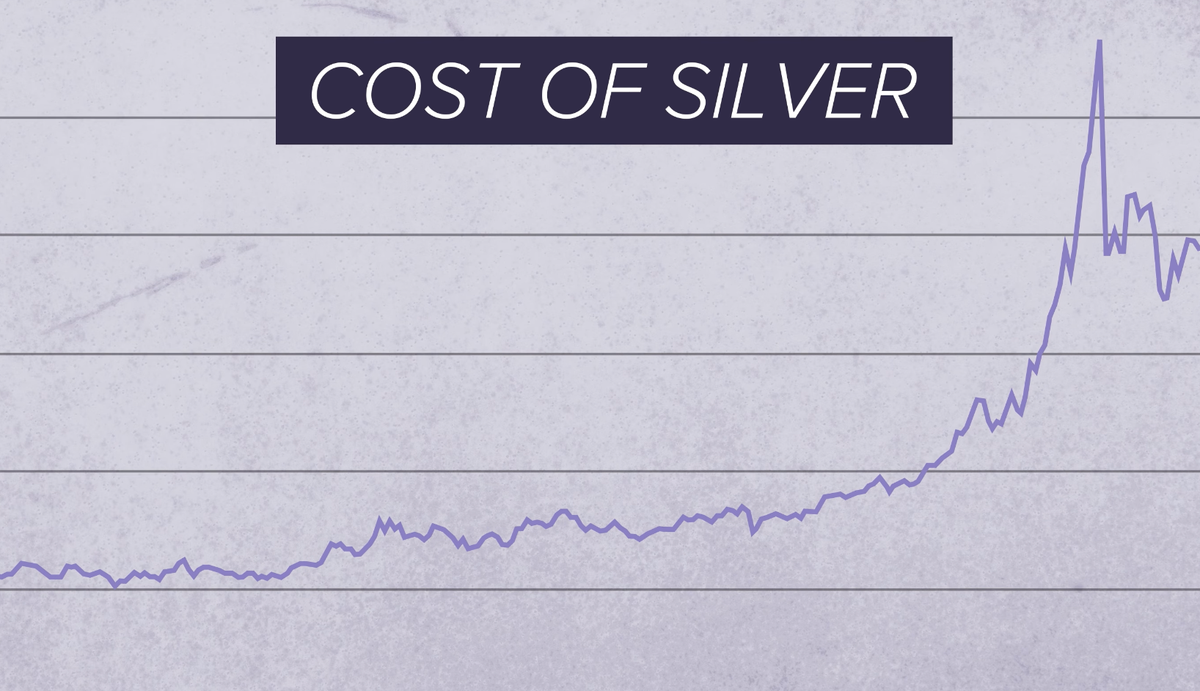
This interview was recorded about a month before the Supreme Court struck down the tariffs, but the uncertainly still looms over small businesses and manufacturers. The price of precious metals has been slowly declining since January, so we shall see how inflation and other global events continues to play a role in material costs.
Even when buying something from your friendly local artist, there political and economic forces affecting what they do. Global events, whether it's a war or a natural disaster, impact what people make in their homes in small towns in America.